
Data a analytika o zaměstnancích • 4 MIN ČTENÍ
AI in HR Technology: Where It Helps and Where Human Oversight Remains Essential
JUL 8, 2026
AI is transforming HR through screening assistance, employee self-service, and data analysis, but human judgement and regulatory compliance remain critical for responsible deployment.
Pomoc při screeningu s využitím AI: efektivita s mantinely
AI tools can significantly accelerate candidate screening by parsing CVs, matching keywords to job requirements, and ranking applicants based on predefined criteria. This allows HR teams to process higher volumes of applications without compromising on thoroughness. However, these systems require careful configuration to avoid perpetuating historical biases embedded in training data. Human reviewers must regularly audit screening outcomes, ensure diverse candidate pools progress through each stage, and maintain the ability to override algorithmic recommendations when contextual factors warrant reconsideration. The technology works best as an assistant that surfaces patterns, not as a final decision-maker.
Chat-Based Employee Self-Service: Reducing Administrative Load
Konverzační rozhraní AI nyní zvládají běžné HR dotazy ohledně zůstatků dovolené, upřesnění politik a zápisu do benefitů, čímž uvolňují HR týmy, aby se mohly soustředit na složitější případy a strategické iniciativy. Moderní chatboty integrované s HR systémy mohou okamžitě načítat personalizované informace, provázet zaměstnance vícekrokovými procesy a vhodně eskalovat nuance otázek na lidské kolegy. Klíč k úspěchu spočívá v transparentním designu: zaměstnanci by měli vždy vědět, že komunikují s AI, rozumět jejím omezením a mít jednoduchý přístup k lidské podpoře. Pravidelná analýza přepisů chatů pomáhá identifikovat mezery v znalostech, zpřesňovat odpovědi a zajistit, že se systém vyvíjí spolu s potřebami organizace.
Detekce anomálií v datech pracovní síly: proaktivní poznatky
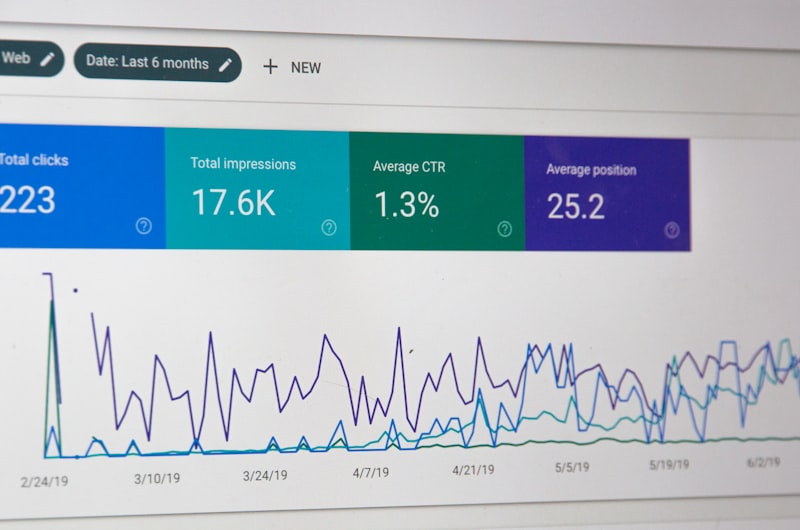
AI excels at identifying patterns in large datasets that might escape manual review, such as unusual absence clusters, attrition risks within specific teams, or payroll discrepancies requiring investigation. These capabilities enable HR teams to address emerging issues before they escalate, whether that means intervening to support a struggling manager or correcting systematic errors in data entry. However, anomalies flagged by algorithms require human interpretation: what appears statistically unusual may have legitimate explanations rooted in business context, seasonal variation, or recent organisational changes. The technology should prompt questions and investigation, not trigger automatic consequences or assumptions about individual employees.
Regulační prostředí: EU AI Act a úvahy o souladu
The EU AI Act classifies many HR applications as high-risk, requiring transparency, human oversight, and rigorous testing before deployment. Whilst specific implementation timelines and technical requirements continue to evolve, the legislation reflects a broader regulatory trend: AI systems influencing employment decisions must be explainable, auditable, and subject to meaningful human review. Organisations using AI in recruitment, performance evaluation, or workforce monitoring should document how these tools function, what data they process, and how humans remain accountable for final decisions. Even outside the EU, adopting similar principles reduces legal risk and builds trust with employees who increasingly expect ethical AI governance.
Where Human Judgement Remains Non-Negotiable
AI nemůže napodobit kontextové porozumění, empatii a etické uvažování, které definují efektivní HR praxi. Rozhodnutí týkající se disciplinárního opatření, nadbytečnosti, přiměřených úprav pro zaměstnance se zdravotním postižením nebo citlivých mezilidských konfliktů vyžadují jemné posouzení, které algoritmy nemohou poskytnout. Lidský dohled zajišťuje spravedlnost, když situace nezapadají do standardních vzorců, chrání zranitelné osoby před systematickou diskriminací a zachovává vztahovou důvěru nezbytnou pro zdravou kulturu na pracovišti. HR technologie by měla zlepšovat odborné posouzení tím, že zvýrazňuje relevantní informace a snižuje administrativní zátěž, ale odpovědnost za rozhodnutí týkající se lidí musí vždy rest spočívat na kvalifikovaných lidech, kteří rozumějí jak právu, tak žité realitě své pracovní síly.
Budování odpovědné strategie AI v HR
Successful AI adoption in HR begins with clear policies governing what these tools can and cannot do, backed by training that helps teams recognise algorithmic limitations and biases. Regular impact assessments should evaluate whether AI systems deliver promised benefits without creating new inequities or compliance risks. Involve employee representatives in discussions about AI deployment, particularly when tools affect working conditions, surveillance, or career progression. Transparency about how AI influences HR processes builds confidence and enables meaningful feedback loops. The goal is not to maximise automation but to deploy AI where it genuinely improves outcomes whilst preserving the human-centred approach that distinguishes excellent HR practice from mere administrative processing.





















































