
Dane o pracownikach i analityka • 4 MIN CZYTANIA
AI in HR Technology: Where It Helps and Where Human Oversight Remains Essential
JUL 8, 2026
AI is transforming HR through screening assistance, employee self-service, and data analysis, but human judgement and regulatory compliance remain critical for responsible deployment.
Wsparcie selekcji oparte na AI: efektywność z zabezpieczeniami
AI tools can significantly accelerate candidate screening by parsing CVs, matching keywords to job requirements, and ranking applicants based on predefined criteria. This allows HR teams to process higher volumes of applications without compromising on thoroughness. However, these systems require careful configuration to avoid perpetuating historical biases embedded in training data. Human reviewers must regularly audit screening outcomes, ensure diverse candidate pools progress through each stage, and maintain the ability to override algorithmic recommendations when contextual factors warrant reconsideration. The technology works best as an assistant that surfaces patterns, not as a final decision-maker.
Chat-Based Employee Self-Service: Reducing Administrative Load
Interfejsy konwersacyjnej sztucznej inteligencji obsługują obecnie rutynowe zapytania HR dotyczące salda urlopowego, wyjaśnień dotyczących polityk oraz zapisów do świadczeń, odciążając zespoły HR i pozwalając im skupić się na złożonych sprawach oraz inicjatywach strategicznych. Nowoczesne chatboty zintegrowane z systemami HR mogą natychmiast pobierać spersonalizowane informacje, prowadzić pracowników przez procesy wieloetapowe oraz eskalować złożone pytania do ludzi, gdy jest to właściwe. Klucz do sukcesu leży w przejrzystym projekcie: pracownicy powinni zawsze wiedzieć, że wchodzą w interakcję z AI, rozumieć jej ograniczenia i mieć prosty dostęp do wsparcia człowieka. Regularna analiza transkryptów czatów pomaga identyfikować luki wiedzy, dopracowywać odpowiedzi i zapewniać, że system rozwija się wraz z potrzebami organizacji.
Wykrywanie anomalii w danych kadrowych: proaktywne wnioski
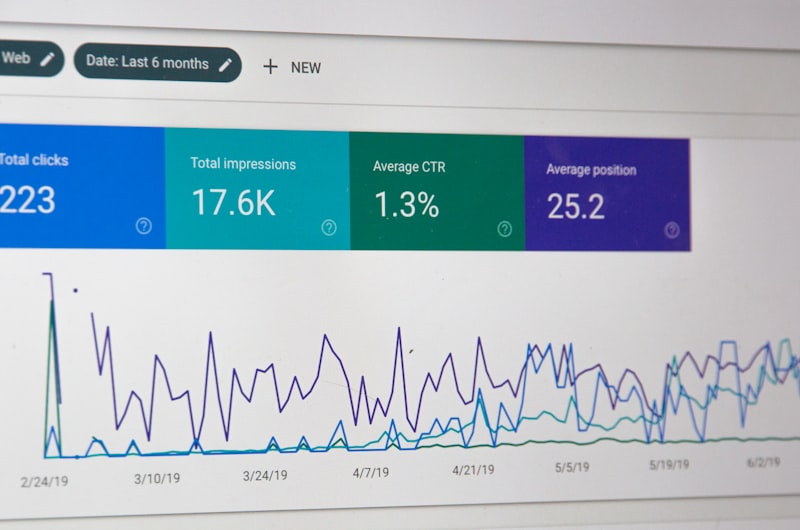
AI excels at identifying patterns in large datasets that might escape manual review, such as unusual absence clusters, attrition risks within specific teams, or payroll discrepancies requiring investigation. These capabilities enable HR teams to address emerging issues before they escalate, whether that means intervening to support a struggling manager or correcting systematic errors in data entry. However, anomalies flagged by algorithms require human interpretation: what appears statistically unusual may have legitimate explanations rooted in business context, seasonal variation, or recent organisational changes. The technology should prompt questions and investigation, not trigger automatic consequences or assumptions about individual employees.
Krajobraz regulacyjny: unijny akt o AI i kwestie zgodności
The EU AI Act classifies many HR applications as high-risk, requiring transparency, human oversight, and rigorous testing before deployment. Whilst specific implementation timelines and technical requirements continue to evolve, the legislation reflects a broader regulatory trend: AI systems influencing employment decisions must be explainable, auditable, and subject to meaningful human review. Organisations using AI in recruitment, performance evaluation, or workforce monitoring should document how these tools function, what data they process, and how humans remain accountable for final decisions. Even outside the EU, adopting similar principles reduces legal risk and builds trust with employees who increasingly expect ethical AI governance.
Where Human Judgement Remains Non-Negotiable
AI nie jest w stanie odtworzyć kontekstowego zrozumienia, empatii i rozumowania etycznego, które definiują skuteczną praktykę HR. Decyzje dotyczące postępowań dyscyplinarnych, redukcji zatrudnienia, racjonalnych dostosowań dla pracowników z niepełnosprawnościami lub wrażliwych konfliktów interpersonalnych wymagają niuansowanego osądu, którego algorytmy nie mogą zapewnić. Nadzór człowieka zapewnia uczciwość, gdy okoliczności nie mieszczą się w standardowych wzorcach, chroni osoby wrażliwe przed systemową dyskryminacją i utrzymuje relacyjne zaufanie niezbędne do zdrowej kultury miejsca pracy. Technologia HR powinna wzmacniać osąd zawodowy poprzez ujawnianie istotnych informacji i zmniejszanie obciążeń administracyjnych, ale odpowiedzialność za decyzje dotyczące ludzi musi zawsze rest spoczywać na wykwalifikowanych ludziach, którzy rozumieją zarówno prawo, jak i realia życia swojej kadry.
Budowanie odpowiedzialnej strategii AI w HR
Successful AI adoption in HR begins with clear policies governing what these tools can and cannot do, backed by training that helps teams recognise algorithmic limitations and biases. Regular impact assessments should evaluate whether AI systems deliver promised benefits without creating new inequities or compliance risks. Involve employee representatives in discussions about AI deployment, particularly when tools affect working conditions, surveillance, or career progression. Transparency about how AI influences HR processes builds confidence and enables meaningful feedback loops. The goal is not to maximise automation but to deploy AI where it genuinely improves outcomes whilst preserving the human-centred approach that distinguishes excellent HR practice from mere administrative processing.





















































