
Data & Analitik People • 4 BACAAN MENIT
AI in HR Technology: Where It Helps and Where Human Oversight Remains Essential
JUL 8, 2026
AI is transforming HR through screening assistance, employee self-service, and data analysis, but human judgement and regulatory compliance remain critical for responsible deployment.
Bantuan Penyaringan Berbasis AI: Efisiensi dengan Pengaman
AI tools can significantly accelerate candidate screening by parsing CVs, matching keywords to job requirements, and ranking applicants based on predefined criteria. This allows HR teams to process higher volumes of applications without compromising on thoroughness. However, these systems require careful configuration to avoid perpetuating historical biases embedded in training data. Human reviewers must regularly audit screening outcomes, ensure diverse candidate pools progress through each stage, and maintain the ability to override algorithmic recommendations when contextual factors warrant reconsideration. The technology works best as an assistant that surfaces patterns, not as a final decision-maker.
Chat-Based Employee Self-Service: Reducing Administrative Load
Antarmuka AI percakapan kini menangani pertanyaan HR rutin seputar saldo cuti, klarifikasi kebijakan, dan pendaftaran benefit, sehingga tim HR dapat fokus pada penanganan kasus yang kompleks dan inisiatif strategis. Chatbot modern yang terintegrasi dengan sistem HR dapat mengambil informasi personal secara instan, membimbing karyawan melalui proses multi-langkah, dan menyalurkan pertanyaan bernuansa kepada rekan manusia bila perlu. Kunci keberhasilan terletak pada desain yang transparan: karyawan harus selalu tahu bahwa mereka berinteraksi dengan AI, memahami keterbatasannya, dan memiliki akses langsung ke dukungan manusia. Analisis rutin atas transkrip obrolan membantu mengidentifikasi kesenjangan pengetahuan, menyempurnakan respons, dan memastikan sistem berkembang sejalan dengan kebutuhan organisasi.
Deteksi Anomali dalam Data Tenaga Kerja: Wawasan Proaktif
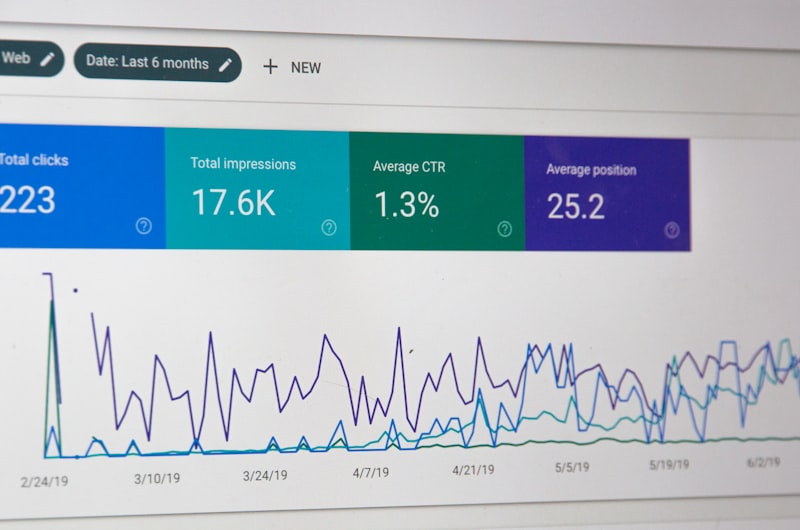
AI excels at identifying patterns in large datasets that might escape manual review, such as unusual absence clusters, attrition risks within specific teams, or payroll discrepancies requiring investigation. These capabilities enable HR teams to address emerging issues before they escalate, whether that means intervening to support a struggling manager or correcting systematic errors in data entry. However, anomalies flagged by algorithms require human interpretation: what appears statistically unusual may have legitimate explanations rooted in business context, seasonal variation, or recent organisational changes. The technology should prompt questions and investigation, not trigger automatic consequences or assumptions about individual employees.
Lanskap Regulasi: EU AI Act dan Pertimbangan Kepatuhan
The EU AI Act classifies many HR applications as high-risk, requiring transparency, human oversight, and rigorous testing before deployment. Whilst specific implementation timelines and technical requirements continue to evolve, the legislation reflects a broader regulatory trend: AI systems influencing employment decisions must be explainable, auditable, and subject to meaningful human review. Organisations using AI in recruitment, performance evaluation, or workforce monitoring should document how these tools function, what data they process, and how humans remain accountable for final decisions. Even outside the EU, adopting similar principles reduces legal risk and builds trust with employees who increasingly expect ethical AI governance.
Where Human Judgement Remains Non-Negotiable
AI tidak dapat mereplikasi pemahaman kontekstual, empati, dan penalaran etis yang mendefinisikan praktik HR yang efektif. Keputusan yang melibatkan tindakan disipliner, redundansi, penyesuaian yang wajar bagi karyawan difabel, atau konflik interpersonal yang sensitif memerlukan penilaian bernuansa yang tidak dapat diberikan oleh algoritme. Pengawasan manusia memastikan keadilan ketika keadaan tidak sesuai dengan pola standar, melindungi individu rentan dari diskriminasi sistematis, dan mempertahankan kepercayaan relasional yang esensial bagi budaya tempat kerja yang sehat. Teknologi HR seharusnya meningkatkan penilaian profesional dengan menampilkan informasi yang relevan dan mengurangi beban administratif, tetapi akuntabilitas atas keputusan terkait orang harus selalu rest berada pada manusia berkualifikasi yang memahami baik hukum maupun realitas yang dijalani tenaga kerja mereka.
Membangun Strategi AI yang Bertanggung Jawab di HR
Successful AI adoption in HR begins with clear policies governing what these tools can and cannot do, backed by training that helps teams recognise algorithmic limitations and biases. Regular impact assessments should evaluate whether AI systems deliver promised benefits without creating new inequities or compliance risks. Involve employee representatives in discussions about AI deployment, particularly when tools affect working conditions, surveillance, or career progression. Transparency about how AI influences HR processes builds confidence and enables meaningful feedback loops. The goal is not to maximise automation but to deploy AI where it genuinely improves outcomes whilst preserving the human-centred approach that distinguishes excellent HR practice from mere administrative processing.





















































