पीपल डेटा एवं विश्लेषण • 4 न्यूनतम पठन
HR Technology में AI: यह कहाँ मदद करता है और कहाँ Human Oversight आवश्यक बना रहता है
JUL 8, 2026
AI screening assistance, employee self-service, और data analysis के माध्यम से HR को बदल रहा है, लेकिन responsible deployment के लिए human judgement और regulatory compliance अत्यंत महत्वपूर्ण बने रहते हैं।
AI-संचालित स्क्रीनिंग सहायता: नियंत्रण-सुरक्षाओं के साथ दक्षता
AI, CVs को parse करके, keywords को job requirements से match करके, और predefined criteria के आधार पर applicants को rank करके candidate screening को उल्लेखनीय रूप से तेज कर सकता है। इससे HR teams thoroughness से समझौता किए बिना अधिक मात्रा में applications संसाधित कर सकती हैं। हालांकि, इन systems को training data में निहित historical biases को बनाए रखने से बचाने के लिए सावधानीपूर्वक configuration की आवश्यकता होती है। Human reviewers को नियमित रूप से screening outcomes का audit करना चाहिए, यह सुनिश्चित करना चाहिए कि diverse candidate pools प्रत्येक stage से आगे बढ़ें, और contextual factors पुनर्विचार को उचित ठहराते हों तो algorithmic recommendations को override करने की क्षमता बनाए रखनी चाहिए। यह technology अंतिम decision-maker के बजाय एक assistant के रूप में सर्वोत्तम काम करती है जो patterns को सामने लाती है।
Chat-Based Employee Self-Service: Administrative Load को कम करना
Conversational AI interfaces अब holiday balances, policy clarifications, और benefits enrolment से संबंधित routine HR queries संभालती हैं, जिससे HR teams complex casework और strategic initiatives पर focus कर सकती हैं। HR systems के साथ integrated modern chatbots personalised information तुरंत retrieve कर सकते हैं, employees को multi-step processes के through guide कर सकते हैं, और उचित होने पर nuanced questions को human colleagues तक escalate कर सकते हैं। Success की कुंजी transparent design में है: employees को हमेशा पता होना चाहिए कि वे AI के साथ interact कर रहे हैं, उसकी limitations समझनी चाहिए, और human support तक straightforward access होना चाहिए। Chat transcripts का नियमित analysis knowledge gaps identify करने, responses refine करने और यह सुनिश्चित करने में मदद करता है कि system organisational needs के साथ evolve करे।
Workforce Data में Anomaly Detection: Proactive Insights
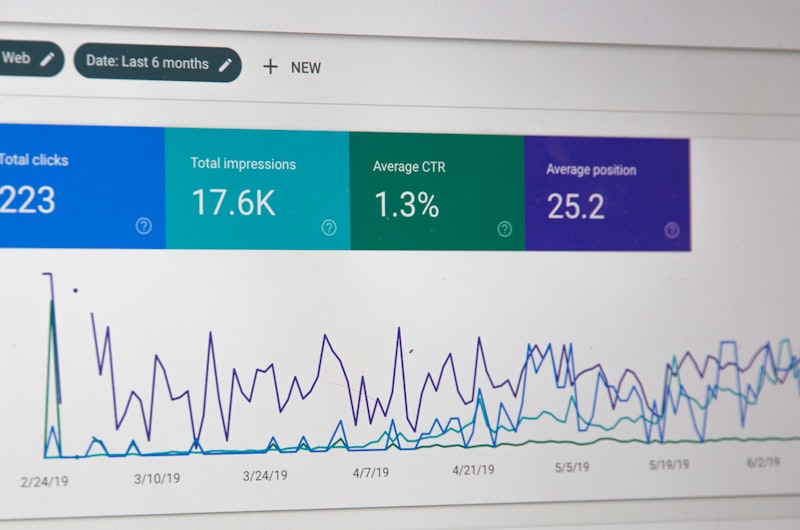
AI बड़े datasets में patterns की पहचान करने में उत्कृष्ट है, जो manual review से बच सकते हैं, जैसे unusual absence clusters, specific teams के भीतर attrition risks, या payroll discrepancies जिनकी जाँच आवश्यक है। ये क्षमताएँ HR teams को emerging issues को उनके बढ़ने से पहले संबोधित करने में सक्षम बनाती हैं, चाहे इसका अर्थ किसी struggling manager की सहायता के लिए intervention करना हो या data entry में systemic errors को सुधारना हो। हालांकि, algorithms द्वारा चिह्नित anomalies की human interpretation आवश्यक होती है: जो statistically unusual प्रतीत होता है, उसके पीछे business context, seasonal variation, या हाल के organisational changes में निहित वैध व्याख्याएँ हो सकती हैं। technology को प्रश्न और जाँच को प्रोत्साहित करना चाहिए, न कि automatic consequences या individual employees के बारे में धारणाएँ उत्पन्न करनी चाहिए।
Regulatory Landscape: The EU AI Act और Compliance Considerations
EU AI Act कई HR applications को high-risk के रूप में वर्गीकृत करता है, जिसके लिए deployment से पहले transparency, human oversight, और rigorous testing की आवश्यकता होती है। यद्यपि विशिष्ट implementation timelines और technical requirements विकसित होते जा रहे हैं, यह legislation एक व्यापक regulatory trend को दर्शाती है: employment decisions को प्रभावित करने वाले AI systems explainable, auditable, और meaningful human review के अधीन होने चाहिए। Recruitment, performance evaluation, या workforce monitoring में AI का उपयोग करने वाले संगठनों को दस्तावेज़ित करना चाहिए कि ये tools कैसे कार्य करते हैं, वे कौन-सा data process करते हैं, और अंतिम decisions के लिए humans कैसे accountable बने रहते हैं। EU के बाहर भी, समान principles अपनाने से legal risk कम होता है और उन employees के साथ trust बनता है जो increasingly ethical AI governance की अपेक्षा करते हैं।
जहाँ Human Judgement अपरिहार्य बना रहता है
AI उस contextual understanding, empathy, और ethical reasoning को replicate नहीं कर सकता जो effective HR practice को परिभाषित करते हैं। Disciplinary action, redundancy, disabled employees के लिए reasonable adjustments, या sensitive interpersonal conflicts से संबंधित निर्णयों के लिए ऐसा nuanced judgement चाहिए जिसे algorithms प्रदान नहीं कर सकतीं। Human oversight fairness सुनिश्चित करता है जब परिस्थितियाँ standard patterns में fit नहीं होतीं, vulnerable individuals को systematic discrimination से protect करता है, और स्वस्थ workplace culture के लिए आवश्यक relational trust बनाए रखता है। HR technology को relevant information surface करके और administrative burden कम करके professional judgement को enhance करना चाहिए, लेकिन people decisions की accountability हमेशा qualified humans के साथ ही रहनी चाहिए, जो law और workforce की lived reality दोनों को समझते हैं।
HR में Responsible AI Strategy का निर्माण
HR में सफल AI adoption स्पष्ट policies से आरंभ होती है जो यह नियंत्रित करती हैं कि ये tools क्या कर सकते हैं और क्या नहीं, तथा ऐसे training से समर्थित होती है जो teams को algorithmic limitations और biases पहचानने में मदद करती है। नियमित impact assessments का मूल्यांकन करना चाहिए कि क्या AI systems बिना नई inequities या compliance risks पैदा किए वांछित लाभ प्रदान करती हैं। AI deployment पर discussions में employee representatives को शामिल करें, विशेष रूप से तब जब tools working conditions, surveillance, या career progression को प्रभावित करें। HR processes में AI कैसे प्रभाव डालती है, इस पर transparency confidence बनाती है और meaningful feedback loops को सक्षम करती है। लक्ष्य automation को अधिकतम करना नहीं, बल्कि वहाँ AI को deploy करना है जहाँ वह वास्तव में outcomes में सुधार करती है, जबकि human-centred approach को संरक्षित करती है जो उत्कृष्ट HR practice को केवल administrative processing से अलग करती है।