
נתוני עובדים וניתוח • 4 דקות קריאה
AI in HR Technology: Where It Helps and Where Human Oversight Remains Essential
JUL 8, 2026
AI is transforming HR through screening assistance, employee self-service, and data analysis, but human judgement and regulatory compliance remain critical for responsible deployment.
סיוע סינון מבוסס AI: יעילות עם מעקות בטיחות
AI tools can significantly accelerate candidate screening by parsing CVs, matching keywords to job requirements, and ranking applicants based on predefined criteria. This allows HR teams to process higher volumes of applications without compromising on thoroughness. However, these systems require careful configuration to avoid perpetuating historical biases embedded in training data. Human reviewers must regularly audit screening outcomes, ensure diverse candidate pools progress through each stage, and maintain the ability to override algorithmic recommendations when contextual factors warrant reconsideration. The technology works best as an assistant that surfaces patterns, not as a final decision-maker.
Chat-Based Employee Self-Service: Reducing Administrative Load
ממשקי AI שיחתיים מטפלים כיום בשאלות HR שגרתיות סביב יתרות חופשה, הבהרות מדיניות והרשמה להטבות, ומשחררים את צוותי HR להתמקד במקרי טיפול מורכבים וביוזמות אסטרטגיות. צ׳אטבוטים מודרניים המשולבים במערכות HR יכולים לשלוף מידע מותאם אישית באופן מיידי, להנחות עובדים בתהליכים מרובי שלבים, ולהעביר שאלות מורכבות לעמיתים אנושיים כשמתאים. המפתח להצלחה טמון בעיצוב שקוף: על העובדים לדעת תמיד שהם מתקשרים עם AI, להבין את המגבלות שלו, ולהיות להם גישה פשוטה לתמיכה אנושית. ניתוח קבוע של תמלילי שיחות מסייע לזהות פערי ידע, לחדד תשובות ולהבטיח שהמערכת מתפתחת יחד עם צורכי הארגון.
זיהוי חריגות בנתוני כוח אדם: תובנות פרואקטיביות
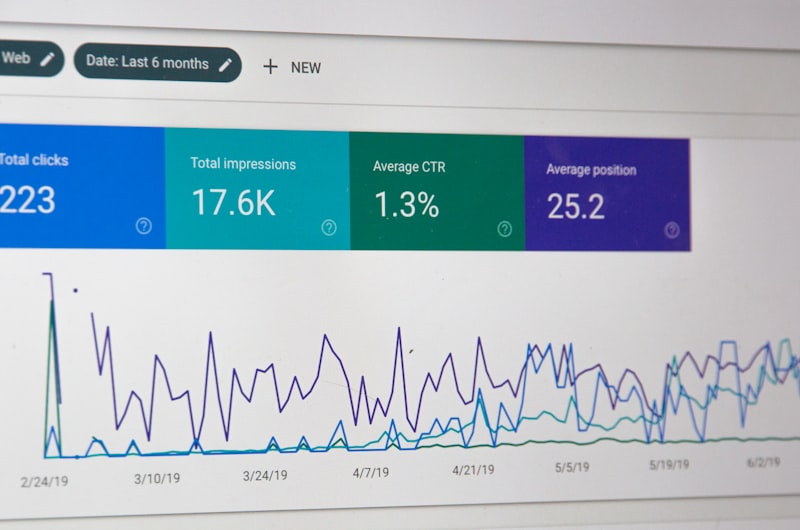
AI excels at identifying patterns in large datasets that might escape manual review, such as unusual absence clusters, attrition risks within specific teams, or payroll discrepancies requiring investigation. These capabilities enable HR teams to address emerging issues before they escalate, whether that means intervening to support a struggling manager or correcting systematic errors in data entry. However, anomalies flagged by algorithms require human interpretation: what appears statistically unusual may have legitimate explanations rooted in business context, seasonal variation, or recent organisational changes. The technology should prompt questions and investigation, not trigger automatic consequences or assumptions about individual employees.
הנוף הרגולטורי: חוק ה-AI של האיחוד האירופי ושיקולי ציות
The EU AI Act classifies many HR applications as high-risk, requiring transparency, human oversight, and rigorous testing before deployment. Whilst specific implementation timelines and technical requirements continue to evolve, the legislation reflects a broader regulatory trend: AI systems influencing employment decisions must be explainable, auditable, and subject to meaningful human review. Organisations using AI in recruitment, performance evaluation, or workforce monitoring should document how these tools function, what data they process, and how humans remain accountable for final decisions. Even outside the EU, adopting similar principles reduces legal risk and builds trust with employees who increasingly expect ethical AI governance.
Where Human Judgement Remains Non-Negotiable
AI אינה יכולה לשחזר את ההבנה ההקשרית, האמפתיה וההיגיון האתי שמגדירים פרקטיקת HR אפקטיבית. החלטות הכוללות צעדים משמעתיים, צמצום כוח אדם, התאמות סבירות לעובדים עם מוגבלות או קונפליקטים בין-אישיים רגישים דורשות שיקול דעת מעודן שאלגוריתמים אינם יכולים לספק. פיקוח אנושי מבטיח הוגנות כאשר נסיבות אינן מתאימות לדפוסים סטנדרטיים, מגן על אוכלוסיות פגיעות מפני אפליה מערכתית, ושומר על אמון יחסי החיוני לתרבות עבודה בריאה. טכנולוגיית HR צריכה לשפר את שיקול הדעת המקצועי על ידי העלאת מידע רלוונטי והפחתת העומס האדמיניסטרטיבי, אך האחריות על החלטות הנוגעות לאנשים חייבת תמיד rest בידי בני אדם מוסמכים שמבינים גם את החוק וגם את המציאות היומיומית של כוח האדם שלהם.
בניית אסטרטגיית AI אחראית ב-HR
Successful AI adoption in HR begins with clear policies governing what these tools can and cannot do, backed by training that helps teams recognise algorithmic limitations and biases. Regular impact assessments should evaluate whether AI systems deliver promised benefits without creating new inequities or compliance risks. Involve employee representatives in discussions about AI deployment, particularly when tools affect working conditions, surveillance, or career progression. Transparency about how AI influences HR processes builds confidence and enables meaningful feedback loops. The goal is not to maximise automation but to deploy AI where it genuinely improves outcomes whilst preserving the human-centred approach that distinguishes excellent HR practice from mere administrative processing.





















































